Underneath the Academics:
Families
A 24-week NeuroDevelopmental Movement® program for families of struggling readers
Your child is smart. You've done the research. You've hired the tutors, and something still isn't clicking. This program goes after what the tutors couldn't reach, the brain and body foundation that has to be in place before reading can stick.

You've already tried the obvious things.
You talked to the teacher. You sat through the testing. You hired the tutor, maybe two. You've read everything Emily Hanford has ever written, and you've watched your child work harder than any kid should have to work, for results that still aren't coming.
- Talked to the teacher and the school counselor
- Sat through evaluations and received a diagnosis
- Hired a reading tutor, maybe OG-trained
- Read together every single night
- Tried accommodations, apps, and extra practice
- Spent thousands of dollars and still feel like you're guessing
You are not doing it wrong, and your child is not the problem. Most academic supports are aimed at the symptoms. They add more instruction on top of a foundation that isn't fully built yet, and that's why they plateau.
For many children, the missing piece lives underneath the academics, in the brain and body foundations that reading intervention alone can't reach.
What is NeuroDevelopmental Movement®?
NeuroDevelopmental Movement® (NDM) is a movement-based approach that strengthens the brain's underlying pathways for learning and behavior. Through specific developmental movements, the crawling, creeping, and integration sequences the brain builds itself on in the first year of life, we help organize the parts of the brain that support attention, coordination, visual tracking, emotional regulation, and the ability to learn.
Most reading interventions work at the cortical level, the smart, thinking brain. NDM works underneath it, at the pre-cortical foundation where those automatic skills either were built or weren't. When a child's eyes can't track print smoothly, when their body can't sit still enough to focus, when they're burning energy on things that should be automatic, more phonics practice won't solve that. Building the foundation will.
A moment that changes everything.
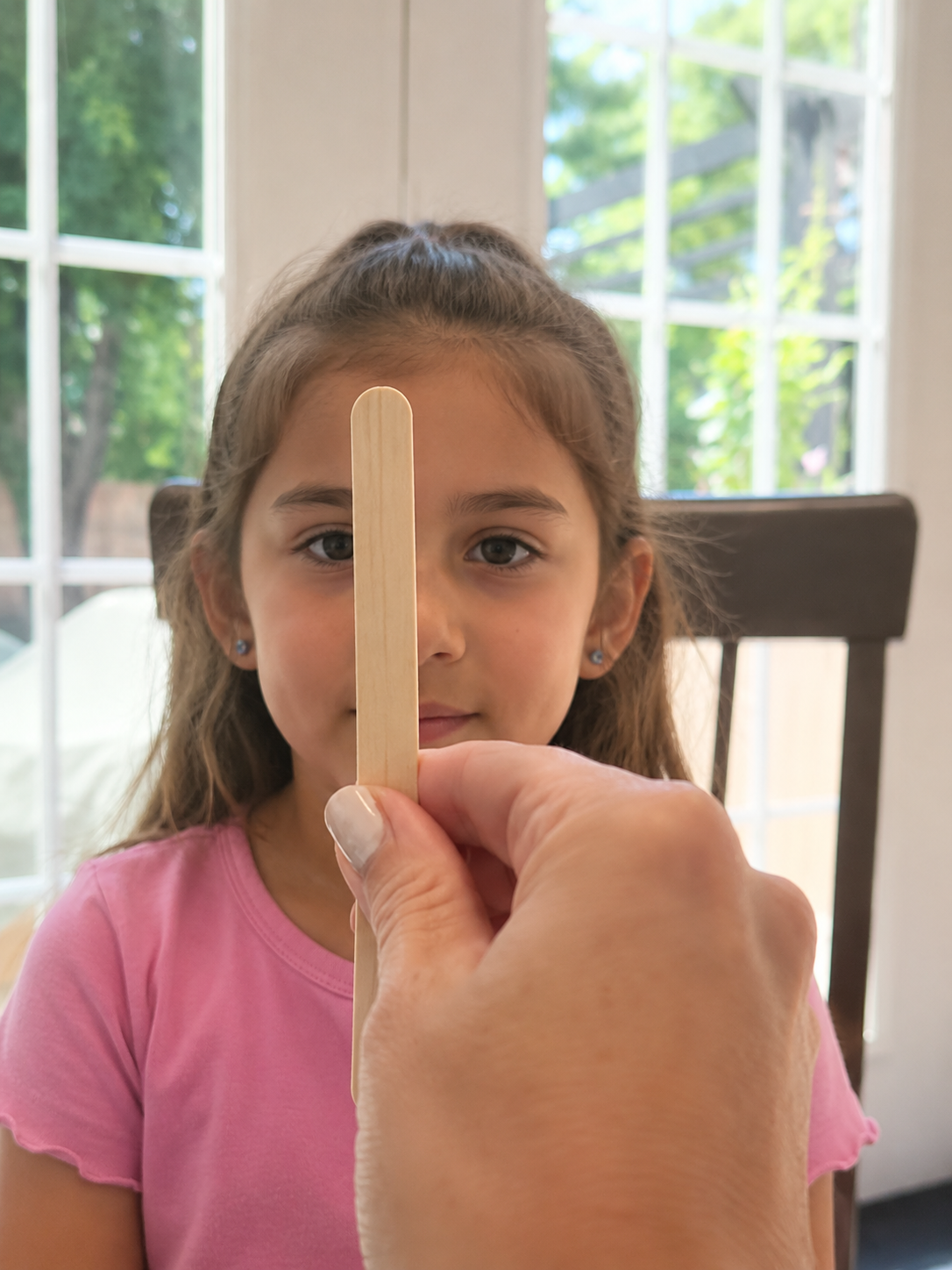
During the initial evaluation, Jessie holds a popsicle stick with a small sticker on it and moves it slowly from side to side in front of the child's eyes. Most parents watch, unsure of what they're looking for. Then they see it. Instead of the eyes tracking smoothly, the whole head swings to follow, or the eyes jump, or one eye lags behind the other.
Then Jessie adds a simple thinking challenge, "name some animals that live in the ocean," and the eye tracking that was already struggling falls apart completely. The child is using their thinking brain to do a job that should be automatic, and every bit of energy spent holding their eyes on the page is energy taken away from reading. Parents see this with their own eyes. That is the moment the penny drops.
"You could see it. I could see it with my own eyes. Things weren't connecting in the correct way."
Forston Learning parent
Imagine what changes when the foundation is solid.
These are the shifts families describe as the 24 weeks unfold. Not overnight, and not guaranteed, but meaningful and real.
More stamina for reading, writing, and math, without the meltdown that used to follow.
Better focus and the ability to sit, listen, and follow directions without constant redirection.
Fewer homework battles and emotional collapses, because the work is starting to feel more possible.
A child who stops saying "I'm stupid" and starts saying "I can do this," and means it.
Many families begin to notice meaningful shifts within the first few weeks. Deeper gains unfold over the full 24 weeks as the movement patterns are repeated and strengthened. Every child's profile is different, so this is an observation, not a promise.
This isn't a new strategy. It's a different foundation.
Orton-Gillingham tutoring is excellent, and Science of Reading instruction matters. But for some children, academic instruction alone will plateau, because there's a layer underneath that nobody has addressed yet.
A fourth-grade boy came to Jessie reading at a late first-grade level, more than two years behind. Progress through Orton-Gillingham tutoring alone had slowed and stalled.
That summer, Jessie completed a full NeuroDevelopmental Movement evaluation and added an NDM program alongside the reading work. He began to grow in ways the reading work alone had never produced. By seventh grade, he was reading at grade level and no longer had a reading IEP.
Five-plus grade levels of growth over three years.The OG didn't stop. The NDM worked underneath it. That's the model.
What parents say when the foundation starts to shift.
"Big day today! Starting her fifth grade language arts book. When she was diagnosed with dyslexia two years ago she was at a pre-K reading level. To be starting her fifth-grade book in fifth grade is pretty amazing. To be at grade level after a severe diagnosis shows the power of NDM."
Mary V., homeschool mom
"Not only did their school lives improve, seeing them on the soccer field and holding themselves with so much greater confidence is amazing."
Melissa, mom of two daughters in the program
Everything included in Underneath the Academics.
This is a high-touch, individualized program. Nothing is assigned until Jessie knows exactly where your child's pre-cortical gaps are, and everything that follows is built from what she finds.
Individual NDM Evaluation
A full starting point to understand your child's unique developmental profile. You're in the room for this. You'll see exactly what Jessie sees, and you'll understand it before you leave.
Two Follow-Up Re-Evaluations
Progress is tracked and the movement plan is adjusted as your child develops through the 24 weeks.
Customized Step-by-Step Movement Plan
Developmental movements like crawling, creeping, and integration sequences, chosen specifically for your child's gaps. Not a generic program. Built for this child.
Weekly Video Guidance for Parents
Short, clear videos walk you through each week's activities so you feel confident at home, without guesswork or overwhelm.
Weekly Parent Coaching Calls
Live Zoom gatherings every Tuesday at 12:00pm or 7:30pm CT. You choose what works each week. Ask questions, share progress, and stay supported.
Parent Training in NDM Foundations
You're not a passenger in this process. You'll understand what each movement is building, why it matters, and how to see your child shifting week by week.
Printable Tracking Sheets and Progress Tools
Guides, checklists, and visual tools to help you stay consistent and see the growth that's happening.
Parent-Child "What Went Well" Journal
A simple daily Positive Psychology practice to build your child's confidence and reinforce progress in small but lasting ways.
You'll also have a supportive parent community alongside you, other families walking the same path with the same level of commitment.
Is Underneath the Academics right for your family?
This is probably a strong fit if…
- Your child is not learning at grade level, even with extra support
- You've tried tutoring, maybe OG-trained, and progress has stalled
- You want to address root causes, not add more academic work
- You can set aside about 45 minutes a day to support the home practice
- You're ready to be an active part of your child's progress, not a passenger
- You're looking for long-term change, not a short-term answer
This is probably not the right fit if…
- You're hoping for significant results in just a few days
- Consistent daily practice at home isn't realistic right now
- Your primary goal is short-term test prep
That's okay. There are many types of support available. This program is built for families ready to go to the root.
If you're not sure, that's exactly what the Right Fit call is for.
Book a Right Fit Call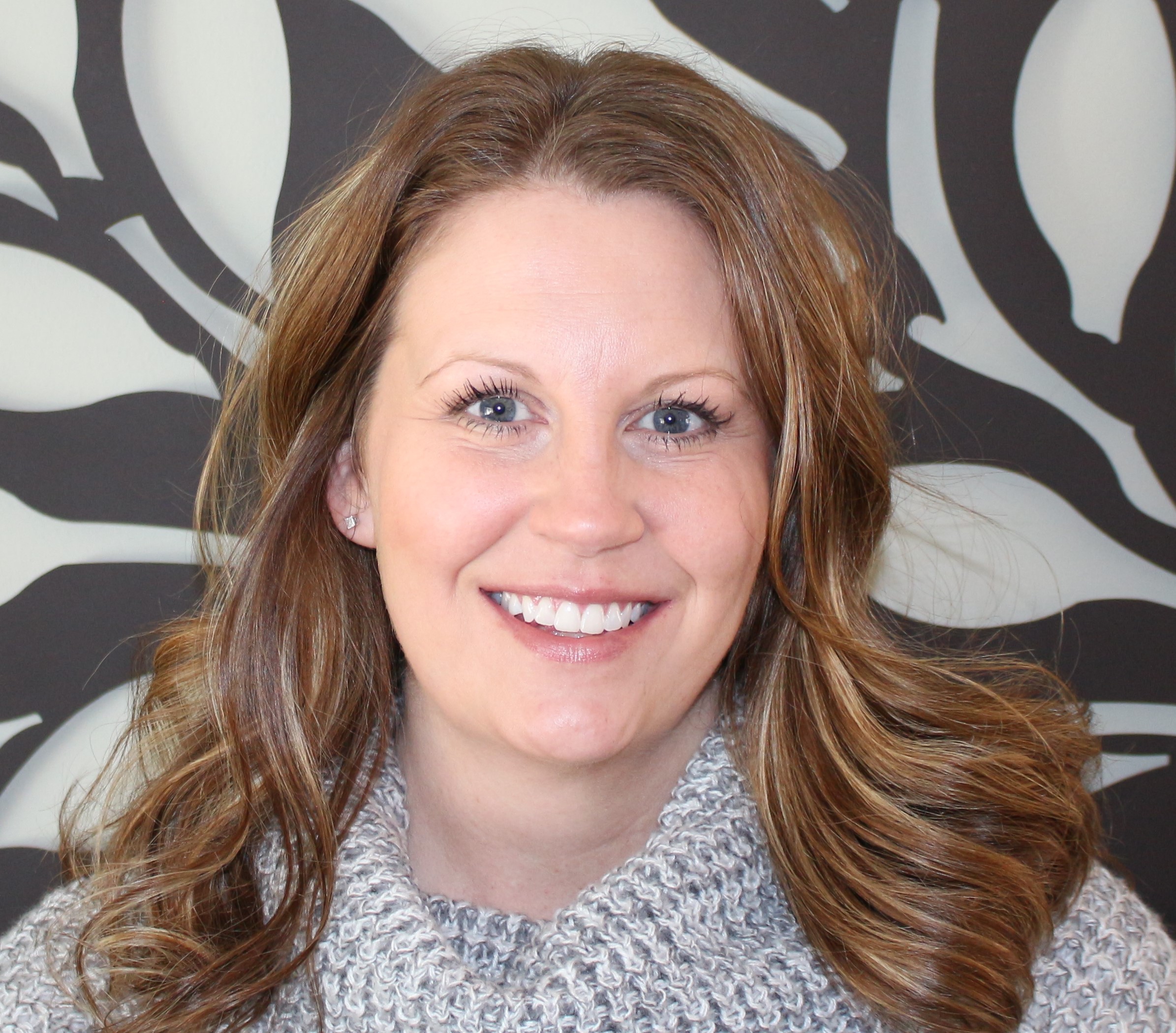
Hi, I'm Jessie Forston, M.Ed.
I'm a licensed educator, Reading Specialist, certified NeuroDevelopmental Movement consultant, Brain Coach, and Positive Educator. I'm also a mom, and the reason I do this work starts there.
I spent years in the classroom watching struggling kids receive more accommodations, more pullout services, more layers of support, without anyone looking underneath to ask why. I felt the gap long before I had language for it.
When my son Everett arrived six weeks early in 2008, I started doing movement work with him by instinct, before I had any framework for it. Then I walked into a lecture on neurological reorganization and everything clicked. Root cause. Not compensation. That was the a-ha that became Forston Learning.
I've sat with parents in the moment the lights come on, when they finally see what's been happening in their child's brain and body, and they understand that there's a way through. Those moments are why I built this program.
Hard for a little while. A lifetime of ease.
How the program unfolds.
From the waitlist to your first week of movement, every step is guided. You will not be left wondering what to do next.
-
Join the waitlist
You'll be the first to know when enrollment opens for the January 2027 cohort, along with pricing and enrollment dates.
-
Enroll and secure your spot
When enrollment opens, waitlist families get the link first. You'll receive immediate access to the welcome materials and next steps.
-
Complete your child's intake and schedule the evaluation
You'll share background on your child's history and schedule the individual NeuroDevelopmental Movement evaluation with Jessie during the weeks of January 3 or January 10.
-
Attend the evaluation and see what Jessie sees
You're in the room for this. Parents leave the evaluation and same-day debrief knowing exactly what their child's brain and body need, because they saw it themselves.
-
Begin the weekly rhythm of practice and support
Get Started Session the week of January 17. Movement activities begin January 24 and run through July 10. Weekly parent Zoom calls every Tuesday at 12:00pm or 7:30pm CT, and you choose what works each week.
Join the waitlist for January.
Enrollment for the next cohort opens later this fall. Families on the waitlist hear first, with the enrollment link, pricing, and dates, before anyone else.
Key dates
- EvaluationsWeeks of January 3 and January 10, 2027
- Get Started SessionWeek of January 17, 2027
- Movement activitiesJanuary 24 through July 10, 2027
- Weekly parent callsTuesdays at 12:00pm or 7:30pm CT
Save your family's place in line.
Add your name and email, and tell me your child's grade so I can send you what's most helpful.
Ready to talk now? The Right Fit call is free and is the best first step for every family.
Book a Right Fit CallYour child doesn't need to work harder. They need a foundation that holds.
The families who stay with this work discover something the system never showed them: hard for a little while, a lifetime of ease. And it's never too late to start building the foundation your child's learning can stand on.
You don't have to keep guessing. There is a different way forward.
The Right Fit call is free and comes with no obligation.